


How to Deal with Casino Addiction: A Step-by-Step Survival Guide
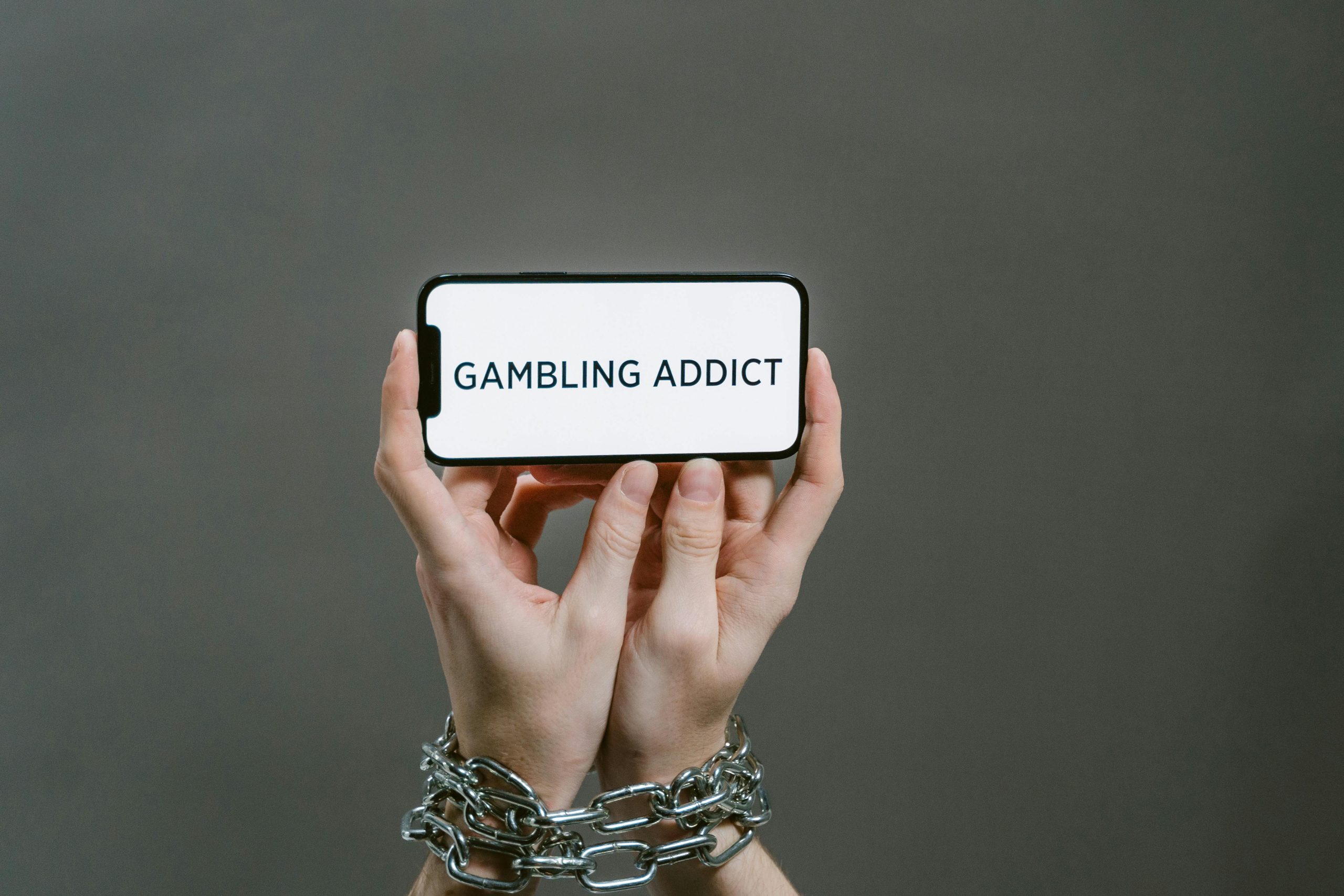
Casino addiction, also known as gambling disorder, is a serious condition that can affect anyone, regardless of age, background, or social status. It’s characterized by an uncontrollable urge to gamble despite the negative consequences. If left untreated, it can lead to financial ruin, relationship problems, and even legal issues.
It’s a common misconception that casino addiction only affects a certain type of person – someone down on their luck, perhaps, or with a predisposition for risk-taking. But the truth is far more complex. Clinically termed “gambling disorder,” this serious mental health condition can grip anyone, regardless of age, social standing, or background. It doesn’t discriminate. At its core, it’s characterized by an overwhelming, uncontrollable urge to gamble, even when faced with devastating consequences – financial ruin, fractured relationships, and even legal repercussions.
What makes this addiction particularly insidious is its ability to hide in plain sight. The gambler might be a successful professional, a doting parent, a respected member of the community. Yet, beneath the surface, they’re trapped in a cycle of chasing losses and seeking that elusive “big win,” driven by a compulsion they can’t seem to escape. This makes it all the more important to understand the nuances of this disorder, recognize the warning signs, and seek help when needed. Because recovery, while challenging, is absolutely possible.
Recognizing the Subtle Signs of Casino Gambling Disorder
Confronting a casino addiction often begins with acknowledging its presence. This can be challenging, as the signs aren’t always blatant and can be masked by secrecy and denial. However, understanding the subtle cues and behavioral patterns associated with this disorder is crucial for early intervention and seeking timely help. The Next Right enumerates the common indicators of casino addiction, exploring their nuances and potential implications.
Preoccupation with Gambling
This goes beyond simply enjoying a casual game. It’s an all-consuming obsession where thoughts revolve around past gambling experiences, planning future trips to the casino, or strategizing the next big win. This preoccupation can seep into every aspect of life, hindering concentration, disrupting sleep, and straining relationships. The individual might appear distant, withdrawn, or constantly distracted, their mind perpetually consumed by the allure of the game.
Increased Gambling Activity
This manifests as a gradual escalation in both the time and money dedicated to gambling. The individual might find themselves increasing their bets to achieve the same thrill, extending their casino visits, or gambling more frequently. This escalating pattern often indicates a growing tolerance, where the individual needs to gamble more to achieve the desired level of excitement or escape.
Failed Attempts to Cut Back or Quit
Despite recognizing the negative consequences, the individual finds it incredibly difficult to control their gambling behavior. They may make repeated promises to themselves or loved ones to cut back or quit, only to find themselves drawn back into the cycle of addiction. These failed attempts can lead to feelings of shame, guilt, and hopelessness, further fueling the addiction.
Restlessness or Irritability When Trying to Cut Down
Similar to substance withdrawal, attempts to reduce or stop gambling can trigger a range of withdrawal-like symptoms. The individual might experience intense cravings, restlessness, anxiety, irritability, or even physical discomfort. These symptoms can be so overwhelming that they often drive the individual back to gambling as a means of relief.
Gambling to Escape Problems or Negative Emotions
For many individuals, gambling becomes a coping mechanism to deal with underlying emotional distress. It provides a temporary escape from stress, depression, anxiety, boredom, or loneliness. However, this escape is illusory, as it often exacerbates these problems and leads to a deeper spiral of addiction.
“Chasing” Losses
This is a hallmark of gambling addiction, where the individual tries to recoup their losses by gambling more, often with larger bets. This behavior stems from a cognitive distortion known as the “gambler’s fallacy,” where they believe that after a string of losses, a win is inevitable. Chasing losses almost always leads to a vicious cycle of escalating losses and further chasing, deepening the financial and emotional hole.
Lying to Conceal the Extent of Gambling
Secrecy and deception become common tools for the individual struggling with casino addiction. They might lie to loved ones about their whereabouts, their finances, or the extent of their gambling involvement. This web of lies erodes trust, damages relationships, and further isolates the individual.
Jeopardizing Relationships, Jobs, or Opportunities
As the addiction takes hold, the individual might prioritize gambling over everything else in their life. They might neglect their responsibilities at work, strain their relationships with family and friends, or even miss important life events. This jeopardizing of valuable relationships and opportunities highlights the grip that the addiction has on the individual’s life.
Relying on Others for Financial Bailouts
The financial strain of gambling addiction often leads to desperate measures. The individual might repeatedly turn to family, friends, or even loan sharks for financial assistance, promising to repay but often falling deeper into debt. This reliance on others for bailouts can create a cycle of dependency and further strain relationships.
Recognizing the signs of casino addiction is a crucial first step towards recovery. It’s important to remember that these signs can manifest differently in different individuals. Early intervention can significantly increase the chances of successful treatment and recovery.
Escaping the clutches of casino addiction is undoubtedly a challenging journey, but it’s one that is entirely possible with the right approach and unwavering commitment. Recovery is a process that requires honesty, self-awareness, and a willingness to seek support. This guide outlines crucial steps to overcome casino addiction, offering detailed insights and practical strategies for each stage.
A Roadmap to Overcoming Casino Addiction
Acknowledge the Problem
This initial step is often the most difficult, as it requires confronting the reality of the addiction and accepting responsibility for its impact. Denial, minimization, and rationalization are common defense mechanisms that can hinder this process. Acknowledging the problem involves recognizing the detrimental effects of gambling on your life, your relationships, and your well-being. It’s about honestly assessing the extent of the addiction and its consequences, paving the way for seeking help and initiating change.
Seek Professional Help
A therapist specializing in addiction can provide invaluable guidance, support, and tools to navigate the complexities of recovery. Therapy offers a safe and confidential space to explore the underlying causes of the addiction, develop coping mechanisms, and address co-occurring mental health issues like depression or anxiety.
- Cognitive Behavioral Therapy (CBT): This evidence-based therapy focuses on identifying and modifying the unhealthy thoughts and behaviors associated with gambling. It helps individuals challenge distorted thinking patterns, develop healthier coping strategies, and manage triggers effectively.
- Motivational Interviewing: This collaborative approach helps individuals explore and resolve their ambivalence about change. It empowers individuals to identify their own reasons for recovery, strengthening their motivation and commitment to overcoming the addiction.
- Support Groups: Gamblers Anonymous and other similar groups offer peer support and a safe space to share experiences, coping strategies, and encouragement. The shared understanding and camaraderie within these groups can be incredibly empowering and validating.
Develop Coping Mechanisms
Learning healthy ways to cope with stress, anxiety, and other triggers that lead to gambling is essential for long-term recovery. Replacing unhealthy coping mechanisms with positive alternatives can help individuals manage cravings, regulate emotions, and prevent relapse.
- Mindfulness and Meditation: These practices cultivate present-moment awareness, helping individuals observe their thoughts and emotions without judgment. This can be particularly helpful in managing cravings and reducing impulsive behaviors.
- Exercise and Physical Activity: Engaging in regular exercise has numerous benefits, including reducing stress, improving mood, and boosting self-esteem. It can also serve as a healthy distraction from gambling urges.
- Engaging in Hobbies and Interests: Rediscovering old passions or exploring new hobbies can provide a sense of purpose and fulfillment, diverting attention away from gambling and promoting a healthier lifestyle.
- Spending Time with Supportive Friends and Family: Nurturing healthy relationships and spending time with loved ones can provide a strong support system and a sense of belonging.
Financial Management
Addressing the financial consequences of gambling addiction is crucial for recovery. Taking control of your finances, managing debt, and developing a plan for financial stability can reduce stress and prevent relapse.
- Create a Budget: Develop a realistic budget that prioritizes essential needs and allocates funds responsibly. This can help you regain control of your finances and avoid falling back into old spending patterns.
- Seek Financial Counseling: A financial advisor can provide expert guidance on managing debt, repairing your credit, and developing a long-term plan for financial recovery.
Avoid Triggers
Identifying and avoiding situations, people, or places that trigger the urge to gamble is crucial for maintaining sobriety. This might involve:
- Physical Avoidance: Staying away from casinos, racetracks, or other gambling venues.
- Online Restrictions: Blocking access to online gambling websites and apps.
- Social Situations: Avoiding social gatherings or events where gambling is prevalent.
- Emotional Triggers: Identifying and managing emotional states like stress, boredom, or loneliness that can lead to gambling.
Build a Support System
Surround yourself with a network of supportive family and friends who understand your struggles and encourage your recovery. Open communication, honesty, and vulnerability can foster trust and strengthen these relationships.
Self-Exclusion
Many casinos and online gambling platforms offer self-exclusion programs. Enrolling in these programs can prevent you from accessing gambling venues or websites, acting as a safety net during vulnerable moments.
Overcoming casino addiction is a journey that requires courage, commitment, and a willingness to seek help. By acknowledging the problem, seeking professional support, developing healthy coping mechanisms, and implementing effective strategies to manage triggers and finances, individuals can break free from the grip of addiction and reclaim their lives. Remember, recovery is not a destination but an ongoing process that requires continuous effort and self-compassion.
The Next Right: Your Companion in Recovery
The website TheNextRight.com is a valuable resource for individuals seeking to overcome casino addiction. It offers a wealth of information, tools, and support to guide you on your recovery journey. Here’s what you can find on TheNextRight.com:
- Informative Articles: Gain insights into the nature of casino addiction, its causes, its consequences, and effective treatment options.
- Practical Tips and Strategies: Discover proven techniques for managing cravings, coping with triggers, and building a healthy lifestyle.
- Support and Community: Connect with others who are on the same journey, share your experiences, and find encouragement in a safe and supportive online environment.
- Expert Advice: Learn from professionals in the field of addiction recovery, who offer guidance and support through articles, videos, and other resources.
The Power of The Next Right
Recovering from casino addiction isn’t about reaching a final destination; it’s about embarking on a transformative journey. This journey, like any other, will be filled with twists, turns, and occasional bumps in the road. There will be moments of triumph and moments of setback.
The Next Right explores a profound approach to recovery that empowers individuals to navigate the complexities of addiction with intention and clarity. It encourages a shift in focus from the regrets of the past and the anxieties of the future to the possibilities of the present moment. If you or someone you know is struggling with casino addiction, please reach out for help. There are many effective treatments available, and recovery is possible. Don’t hesitate to take the first step towards a brighter future.

